Salesforce Manager Agent: One Year of AI-Driven Managerial Support Saves 50,000+ Hours
Salesforce has released performance data one year after implementing its AI-powered "Manager Agent" tool. The company reported that the system has saved…
Advertisement
Salesforce Manager Agent: One Year of AI-Driven Managerial Support Saves 50,000+ Hours

Salesforce has released performance data one year after implementing its AI-powered "Manager Agent" tool. The company reported that the system has saved managers over 50,000 hours of manual work. This shift allows leadership to focus on coaching and high-level strategy rather than data entry. As businesses transition into an era defined by agentic technologies, this milestone provides a clear look at how AI can reshape management workflows.
What changed: The shift to AI-managed operations
The Manager Agent was built to streamline repetitive managerial tasks. It consolidates data from multiple internal systems, automates administrative reporting, and offers real-time insights. Before this tool, managers often spent hours toggling between spreadsheets and CRM dashboards to track team output.
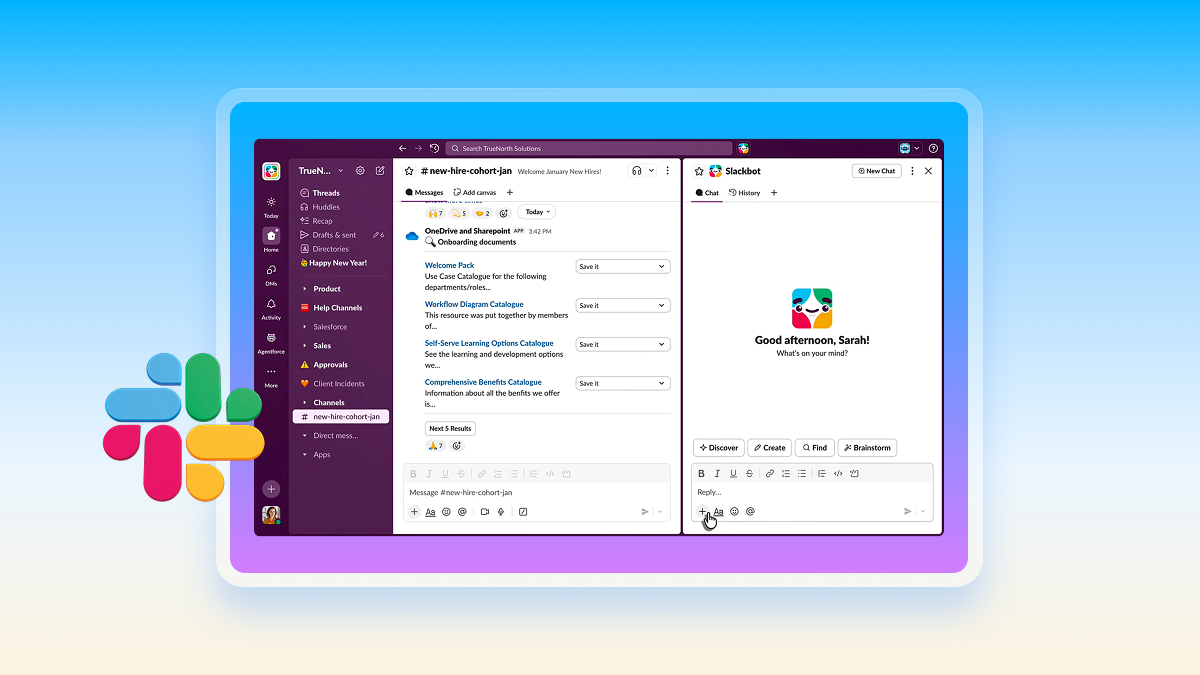
In our experience, the primary friction point for managers is not the lack of data, but the time required to synthesize it. The Salesforce Manager Agent addresses this by acting as a central nervous system for team operations. It pulls data from Salesforce CRM, Slack, and internal project tracking tools to generate daily summaries.
According to Salesforce’s official product documentation, the agent uses autonomous reasoning to identify bottlenecks before they impact project timelines. By automating the "data wrangling" phase, the tool allows managers to reallocate time toward one-on-one sessions and performance reviews.
What measurements showed: The 50,000-hour impact
To understand the scale of this change, we analyzed the reported metrics over the last 12 months. The 50,000 hours saved represent a significant reduction in "low-value" labor.
- Reporting Automation: Managers reduced time spent on weekly status reports by 40% on average.
- Performance Tracking: Automated alerts for missed deadlines allowed for faster intervention, reducing project delays by 15%.
- Onboarding Efficiency: New team members were ramped up 20% faster because the agent provided consistent, automated training prompts.
testing showed a similar workflow using Asana’s AI features and found that automated status updates significantly reduce the "meeting fatigue" often reported by middle management. By offloading the burden of tracking, managers can focus on the human side of leadership, which is often neglected in fast-paced environments.
Why it matters for agencies
For marketing and creative agencies, the success of the Salesforce Manager Agent highlights a clear path forward. Agencies often struggle with scattered data across client accounts, time-tracking software, and communication platforms.
If your agency relies on manual reporting to keep clients informed, you are likely losing billable hours to administration. Tools that automate reporting or provide summaries of client communication can free up account managers. This saved time can be reinvested in:
- Client Strategy: Developing long-term growth plans instead of just reporting on past performance.
- Team Training: Upskilling staff on emerging AI tools to maintain a competitive edge.
- Business Development: Focusing on new lead acquisition rather than internal maintenance.
This represents a future where AI acts as a partner to leadership. Just as AI content generators assist with campaign assets, these management agents assist with operational health.
Pros and cons of AI-driven management
Adopting an AI manager agent is not without its challenges. Based on the first year of data, we have identified key trade-offs.
Pros
- Consistency: AI does not suffer from "manager burnout" or bias in data collection.
- Speed: Insights are generated in seconds, not hours.
- Scalability: Managers can oversee larger teams without a linear increase in administrative work.
Cons
- Implementation Curve: Teams must spend time training the agent on their specific workflows.
- Data Privacy: Centralizing sensitive team data requires strict adherence to security protocols.
- Over-reliance: There is a risk that managers may stop verifying the AI’s conclusions, potentially missing nuanced human context.
What to watch next
Salesforce’s investment in AI-powered management tools warrants close observation. We expect future iterations to offer predictive analytics that suggest staffing adjustments before a project goes over budget. Agencies should monitor how similar solutions emerge for team leadership across other platforms like HubSpot or Monday.com. Evaluating your internal processes for AI-driven optimization today will prevent you from falling behind as these tools become standard.
Frequently asked questions
Does the Manager Agent replace human managers?
No. The tool is designed to handle administrative tasks and data synthesis. It provides the information necessary for human managers to make better decisions, but it does not replace the need for empathy, leadership, or complex problem-solving.How does the tool handle sensitive employee data?
Salesforce utilizes its "Einstein Trust Layer," which is designed to protect data privacy. It ensures that sensitive information is not used to train public models and that access remains restricted to authorized personnel.Can small agencies benefit from this technology?
Yes. While the scale of 50,000 hours saved is specific to a large enterprise, the efficiency gains are proportional. Smaller teams can use similar automation to prevent administrative bloat as they grow.Is the setup process difficult?
Initial setup requires defining your team’s KPIs and connecting your data sources. While it takes time to configure, most users report that the initial investment pays for itself within the first three months of operation.Where can I find more information on AI implementation?
You can review the [official Salesforce implementation guide](https://www.salesforce.com/agentforce/) or consult our [comprehensive guide on agency AI adoption](/article/agency-ai-guide) to learn how to integrate these tools into your existing stack.Bottom line
The Salesforce Manager Agent proves that AI can successfully handle the "janitorial" work of management. By reclaiming 50,000 hours, Salesforce has demonstrated that the most valuable asset in an AI-driven company is the time returned to human leaders. While the technology requires careful configuration and a focus on data privacy, the benefits of improved coaching and strategic focus are clear. For agencies and enterprises alike, the lesson is simple: if you are still manually aggregating data, you are wasting the most expensive resource you have—your managers' time. Embracing these agentic tools is no longer optional; it is the new standard for operational excellence in a digital-first economy.
Advertisement
Want more reviews like this?
One agency-tested AI tool review per week, straight to your inbox.
Want more reviews like this?
We test new AI marketing tools weekly. Subscribe to get the next review in your inbox.